

Ask most ex-smokers about the hardest part of quitting, and many will describe something that’s not about nicotine at all: the aching need to reach for something, to bring it to their mouth, to inhale. This is oral fixation — and it’s one of the primary reasons quit attempts fail even weeks after the last physical nicotine craving has passed.
What Is Oral Fixation?
In psychological terms, oral fixation originally referred to Freudian theory about developmental stages — but modern behavioral science uses the term more practically: oral fixation describes the learned behavioral pattern of gaining comfort, stress relief, or sensory satisfaction through oral activity (eating, drinking, chewing, or in this case, smoking and vaping). It is a conditioned behavior, not a personality trait — which means it can be systematically reconditioned.
How Smoking Creates Oral Fixation
A pack-a-day smoker performs the hand-to-mouth inhalation ritual approximately 200 times per day. Over a 10-year smoking history, that’s 730,000 repetitions. Behavioral psychologists understand that repeated behaviors in specific contexts become deeply automatized — they happen without conscious decision. The motor pattern of reaching for a cigarette, raising it to the mouth, drawing air through it, and exhaling becomes as automatic as tying a shoelace.
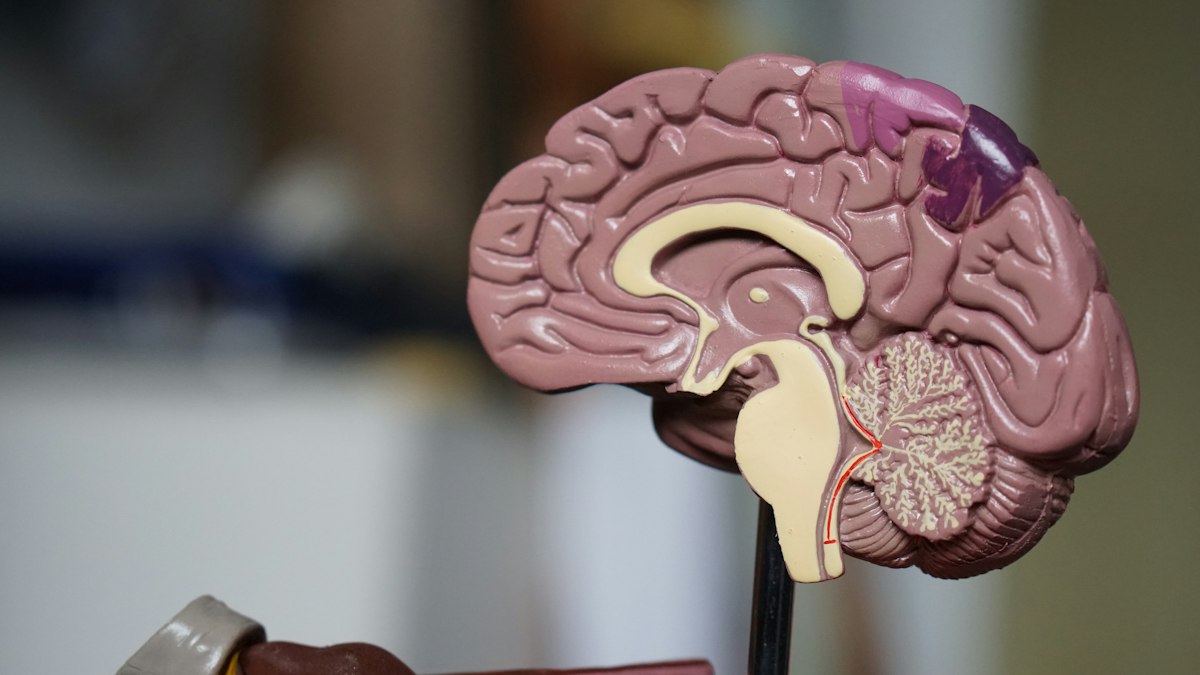
This conditioned motor reflex is independent of nicotine dependency. It’s driven by the same neural circuits that govern all habitual behavior — the basal ganglia — not the reward circuits that nicotine hijacks. This is why nicotine patches, gum, and medications don’t fully address it: they treat the dopamine system, not the motor habit system.
The Cue-Routine-Reward Loop in Smoking
Behavioral researchers at MIT describe all habits as three-part loops:
- Cue: Stress, finishing a meal, starting the car, seeing another person smoke, boredom
- Routine: Reaching for a cigarette, the entire physical ritual of smoking
- Reward: Nicotine hit + sensory satisfaction + oral engagement + stress relief from deep breathing
You cannot eliminate a habit by simply removing the routine. The cue still fires, demanding a reward. Without a replacement routine, the system generates intense craving until the habit is performed. This is the neurological basis of relapse — not weakness, not failure of character.
Why Behavioral Replacement Must Match the Original Behavior
Research on habit replacement shows that the most effective substitute behaviors closely match the sensory profile of the original habit. A habit that involves hand engagement + oral activity + inhalation requires a replacement that also involves hand engagement + oral activity + inhalation. Partial replacements (gum provides oral but no hand; stress ball provides hand but no oral) leave part of the loop unsatisfied.
This is the design principle behind QuitGo® Air Puffers: they provide the complete sensory profile of smoking — the reach, the hold, the inhale, the exhale — with zero nicotine and zero harmful substances. The habit loop is satisfied. The cue is answered. And over repeated replacement cycles, the basal ganglia gradually rewire the cue to expect the new routine.
How Long Does Oral Fixation Last After Quitting?
Physical nicotine withdrawal resolves in 2–4 weeks. Oral fixation — the behavioral component — can persist for 3–6 months in trigger situations. This doesn’t mean you’ll be suffering for 6 months; it means that strong cue situations (a stressful meeting, finishing dinner, driving on a familiar route) may trigger the behavioral reflex for a while. Having QuitGo® accessible means you’re never without a complete response to the reflex.
Breaking Oral Fixation: The Complete Strategy
- Use QuitGo® consistently in every trigger situation — consistency is what rewires the habit loop
- Identify your top 5 cues and always have QuitGo® ready for each one
- Practice mindfulness to observe cravings without acting on them (urge surfing)
- Change your environment around cue situations when possible
- Be patient: Rewiring deeply automatized habits takes months — this is normal neuroscience, not personal failure
Related: The Science Behind QuitGo® | What to Do Instead of Smoking | How to Quit Smoking