

The Science Behind QuitGo®: How Behavioral Replacement Helps You Quit
QuitGo® isn’t based on guesswork — it’s grounded in behavioral science, addiction psychology, and neuroscience research on habit formation and replacement. This page explains the science behind why the hand-to-mouth behavioral habit is so powerful, and why replacing it with a nicotine-free alternative is a proven approach to quitting successfully.
Understanding Habit Loops: The Cue-Routine-Reward Cycle
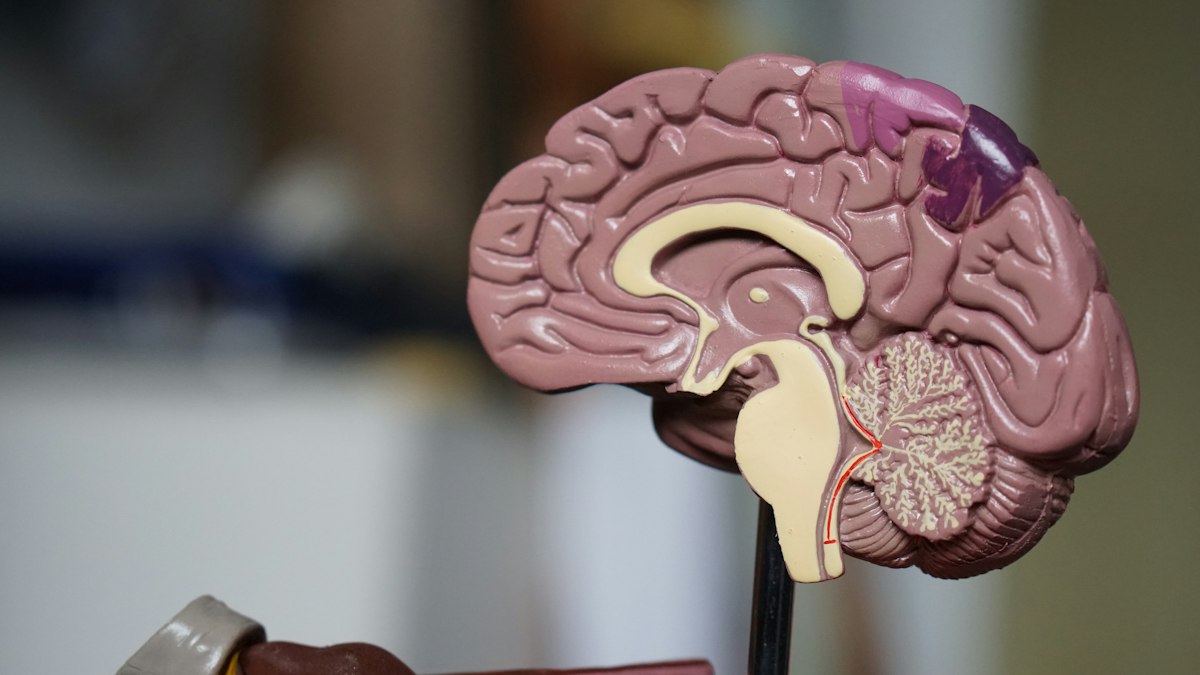
Behavioral scientists at MIT and Harvard have extensively documented what’s known as the “habit loop” — a three-part neurological pattern that drives all habitual behavior:
- Cue: A trigger that initiates the behavior (stress, after a meal, social situation, time of day)
- Routine: The behavior itself (reaching for a cigarette, vaping, the inhale-exhale ritual)
- Reward: The neurological payoff (nicotine dopamine release, stress relief, social connection)
The key insight from this research: you cannot simply eliminate a habit — you must replace the routine while keeping the cue and reward structure intact. This is why cold turkey fails so often. Removing the routine without providing an alternative leaves the cue-reward cycle frustrated and incomplete, generating intense craving that eventually leads to relapse.
The Two-Part Addiction: Chemical and Behavioral
Most addiction research and most quit products focus almost exclusively on the chemical component of nicotine addiction. But smoking and vaping are actually dual addictions:
Chemical Addiction
Nicotine binds to acetylcholine receptors in the brain, triggering dopamine release in the nucleus accumbens — the brain’s reward center. Over time, the brain downregulates its natural dopamine production and increases the density of nicotine receptors, creating a state where normal dopamine levels feel insufficient without nicotine. This is the neurological basis of physical craving and withdrawal.
Behavioral Addiction
Separate from the chemical addiction, smoking and vaping involve a deeply conditioned behavioral routine: the physical act of reaching, holding, raising to the mouth, inhaling, and exhaling. A pack-a-day smoker repeats this motion approximately 200 times per day. Over a 10-year habit, that’s over 700,000 repetitions. This creates a powerful motor habit independent of nicotine — which is why many people still experience the urge to smoke months after the last nicotine craving has passed.
How Behavioral Replacement Works
Behavioral replacement therapy (BRT) works by substituting the habitual routine with an alternative behavior that satisfies the same sensory and motor components of the habit. Research shows that effective behavioral replacement must:
- Involve the same motor pattern (in this case, hand-to-mouth movement)
- Provide a similar sensory experience (inhale resistance, oral sensation)
- Be immediately accessible in trigger situations
- Carry no harmful substances
QuitGo® is engineered to meet all four criteria. The device provides the hand-to-mouth motion, the inhale resistance, the oral sensation, and the exhale — all without nicotine. By repeatedly using QuitGo® in response to the same cues that previously triggered smoking or vaping, users gradually retrain their habit loop with a safe alternative response.
The Role of Deep Breathing in Craving Management
One often-overlooked component of smoking and vaping is the deep breathing pattern they involve. Inhaling slowly and deeply activates the parasympathetic nervous system — the “rest and digest” system — which counteracts the fight-or-flight stress response. This is part of why smokers find cigarettes “calming” even beyond the nicotine effect.
QuitGo® preserves this benefit. When you use a QuitGo® Air Puffer, you’re engaging in slow, deep, controlled breathing — which triggers the same parasympathetic nervous system response. The stress-relieving effect isn’t lost. It’s just separated from the nicotine delivery.
What Research Shows About Combination Approaches
Multiple systematic reviews and meta-analyses have confirmed that combination quit approaches — those that address both the chemical and behavioral components of nicotine addiction — produce significantly better long-term quit rates than single-method approaches. Key findings include:
- Behavioral counseling combined with NRT produces quit rates 2–3x higher than either approach alone
- Addressing the behavioral/oral fixation component is particularly important for long-term maintenance (preventing relapse after the acute withdrawal phase)
- Replacement behaviors that closely match the sensory profile of the original habit are more effective than dissimilar replacements
QuitGo®: Designed With the Science in Mind
Every aspect of QuitGo® reflects the behavioral science of habit replacement:
- Draw resistance: Calibrated to feel like a real inhale, activating the same motor pattern as smoking or vaping
- Soft tip: Provides the familiar oral sensation of a cigarette or vape mouthpiece
- Ergonomic form: Sized and shaped to be held naturally between fingers — the same way you’d hold a cigarette
- Flavored air: Provides an appealing sensory reward that reinforces using QuitGo® instead of a cigarette
- Portable: Small enough to carry everywhere — in trigger situations, the replacement tool must be as accessible as the habit it replaces
Important Disclaimer
QuitGo® products are not intended to diagnose, treat, cure, or prevent any disease. The information on this page is for educational purposes and does not constitute medical advice. For personalized guidance on quitting smoking or vaping, please consult a licensed healthcare provider. Individual results may vary.
Related: How to Quit Smoking | How to Quit Vaping | Nicotine-Free Alternatives